Humans are easily fooled by appearances.
This is true when it comes to the state of our carpets. We notice stains, sure. But the surface only tells part of the story.
The fact is:
If you had the slightest idea the kind of nasty things are that living in your carpet, you would be probably start deep cleaning right now.
Warning: this article is not for the faint of heart!
4 Disgusting Facts About Your Carpet
Few outside the carpet cleaning industry are aware of how nasty carpets can be.
In truth, most carpets provide a breeding ground for all sorts of nefarious little creatures. This is true regardless of location. Both residential and commercial carpets are at risk.
Here’s a few facts that might surprise (and disturb) you.
(Continue reading at your own peril. This information cannot be unlearned.)
 Carpet Holds 4 Times Its Weight in Dirt.

Let that sink in. Oh wait… it already did!
Dirt and whatever else gets tracked into your home often settles into the depths of your carpet. Over time, this accumulation can outweigh your carpet itself. Hidden well below the surface, few would ever expect this.
75% of People Walk on Carpet with Dirty Shoes.
This one shouldn’t surprise you at all.
Just don’t let that expectation make you numb to it. Not only do you carpets end up holding what your family brings in, but they also capture what your guests bring in. Your own dirt is one thing, but the dirt of others? Intolerable!
Indoor Air Quality May Be 8-10 Times Worse Than Outdoor Air Quality.
This one always seems to surprise.
Textiles in your home absorb an array of contaminants. This includes both the living (germs) and non-living (dirt and dust). Every step you take on a dirty carpet sends invisible clouds of nasty into the air. Dirtier carpets means dirtier air.
Carpet May Hold up to 200,000 Bacteria Per Square Inch.
That is about 4000 times more than your toilet. No joke.
Every carpet is unique. But maintenance schedule is more important than the material or length of the fibers. The longer you allow your carpets to go uncleaned, the more unclean they become—putting your family in increasing harm.
What’s Living in Your Carpets
Your carpet essentially absorbs organic matter all day.
This includes:
- Food, Beverages, Moisture
- Dirt, Dust, Pollen, Smoke
- Hair, Skin Cells, Nastier Human Stuff
- Whatever Your Kids Dragged In
- The Presents Your Pet Leaves for You
Bit by bit it all adds up. All the gross stuff breaks down, sinks to the bottom, and rots. It gradually gives your carpets a darker overtone and a nice smell to go along with it.
The longer you neglect it, the worse it gets. But that’s not the true problem.
The problem is all the things that feed on the rotting organic matter. Those are the things that get you and your family sick.
Let’s talk about a few of them, starting with one you probably suspect.
Mold
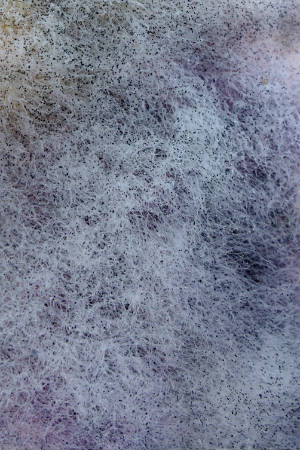
Your carpets are one of the most high-risk areas for mold growth.
Airborne mold spores land on carpet fibers and find themselves comfortable and well-nourished. Mold often finds everything it needs to grow and thrive in your carpets.
Moisture is the biggest factor for mold growth. Mold loves humid climates, like we have in North Carolina. Carpets near bathrooms, basements, or other damp parts of your home are at a high risk. Moisture provided by air conditioning contributes as well.
Mold is hard to detect without an expert. It is rarely visible, lurking in the far reaches of your home. You don’t even know it is there, and yet it is spreading. This is unfortunate because it can negatively impact your health.
Allergens produced by mold affect people in different ways. Reactions and severity may be different. But generally, allergic mold reactions are limited to symptoms like skin rashes, cold-like symptoms, or difficulty breathing.
Some mold also produces mycotoxins—toxic compounds that can have serious health effects. In fact, one of those effects is that it makes you more sensitive to the next unsavory character on our list.
Bacteria
Carpet can be a breeding ground for all kinds of bacteria.
And this isn’t just any bacteria. We’re talking about strains responsible for the some of the most illnesses, hospitalizations, and even deaths in the United States.
Some of these notorious bacteria include:
 Salmonella
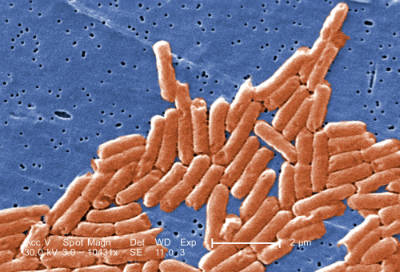
This bacteria is often spread to your carpet by tracking in feces, from people and our animals. Contaminated food and other outside substances can contain it as well. Salmonella infections can result in diarrhea, fever, and abdominal cramping. Young children and the elderly are especially at risk.
Campylobacter
Campylobacter is commonly found in moist or damp carpets. This bacteria needs an especially moisture-rich environment. But it needs little oxygen to thrive. Campylobacter infections cause an illness called campylobacteriosis, which can lead to diarrhea or dysentery syndrome.
E Coli
Perhaps the most notorious bacteria out there, E. coli is not to be taken lightly. It can come from raw food products in your home or tracked in by your family. Symptoms include diarrhea, abdominal pain, and fever. In more severe cases, it can lead to bloody diarrhea, dehydration, or kidney failure.
You never want to underestimate the power in little things. And these little things could make a big difference in the lives of your family.
Unfortunately, mold and bacteria aren’t the only threats.
Other Harmful Things
Unfortunately, plenty of creepy little things love consuming rotting organic matter.
For instance, many insects thrive on a concoction of food residue, pet feces, and other insects. And they can continue to thrive on it as it rots away beneath the surface of your carpet.
What’s more:
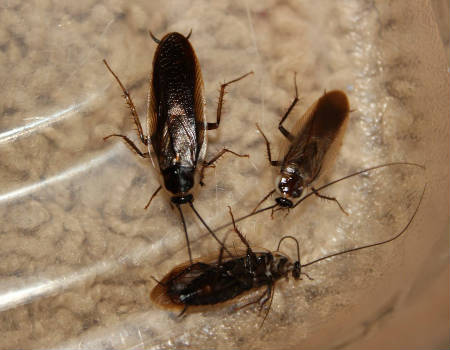
Tiny channels within your home can provide direct routes to your kitchen or bedroom. Even worse, some of the organic matter will inevitably escape the carpet to land as dust around your home.
Obviously, such insects transmit disease. This should be motivation enough. But sometimes, dirty carpets can get you sick without any extra help.
Norovirus is a contagious stomach and intestinal virus. It can survive in carpets for an extended period of time. This is one of the things that make norovirus outbreaks difficult to control.
Steam cleaning is the safest way to fight norovirus in carpets. However, it’s crucial that steam temperatures reach 170° for at least five minutes. This can be hard to do without the help of a professional.
Norovirus can be life threatening for young children, the elderly, and those with other health conditions. And it’s clearly not the only virus that could survive in to your carpets. In fact, contaminated textiles throughout your home can help sickness spread.
We are actually exposed to such microorganisms on a regular basis. The problem is that our homes too often foster their growth. Then, our immune systems are eventually overtaken through repeated exposure.
Fortunately, the solution is simple. And no, you don’t have to burn your house down.
What To Do About Carpet Contaminants
You have to keep them clean.
And while regular vacuuming is a great first step, professional deep cleaning is a must. Household vacuums don’t have the power to pull debris from below the surface. Even dry vacuuming from a professional probably won’t be enough.
But don’t just take it from us. We’re only agreeing with the Huffington Post.

In our opinion, regular professional carpet cleaning is one of the most powerful ways to keep your family well.
You might think about it like this:
Deep cleaning your carpet will remove thousands of times more germs from your home than cleaning your bathroom. This includes some of the most likely to cause illness.
A professional cleaner has a variety of techniques to deal with embedded carpet contaminants. In addition to fighting sickness, this also helps your carpets last. In fact, most carpet warranties mandate professional cleaning every 12 to 18 months. Pause and think why this might be.
You may have recently moved into your home. Or, you may have been living in the same place for 20 years. Either way, it’s a good time to start keeping a regular schedule of professional carpet cleaning.
Better yet, choose a certified Senior Carpet Inspector who can better identify what you need.
No matter who you choose, professional deep cleaning will benefit you and your family in the long run.
If you live in the Triad and are looking for someone to rid your home of it’s tiny invaders, look no Further than ProTech Carpet Care. Call us at (336) 202-2061. Leave questions or comments below. And please, like and share this post so that others might consider what unseen dangers may lie beneath their feet.