How to Disinfect and Sanitize Carpet
An honest guide to what each step means, which products actually work on carpet, and when a professional cleaning is the better answer.
How do you disinfect carpet?
Clean the carpet first, because no product can disinfect through soil and residue. Then use an EPA-registered disinfectant whose label specifically lists carpet or soft surfaces, apply it exactly as directed, and keep the area wet for the full contact time on the label. Rinse and dry the carpet quickly so moisture does not linger in the pad.
People usually search for how to disinfect or sanitize carpet after something specific happens: a stomach bug runs through the house, a puppy has an accident, a baby starts crawling, or a leak leaves carpet damp for a few days. This page explains what each of those situations really needs, what home methods can and cannot do, and what a professional visit adds. We clean carpet across Greensboro, Burlington and Winston-Salem, and the same questions come up in every one of these homes.
Cleaning, sanitizing and disinfecting are different things
These words get used as if they mean the same thing, and product marketing blurs them further. They do not.
| Term | What it means | What it takes on carpet |
|---|---|---|
| Cleaning | Physically removes soil, spills, residue and much of what lives in them | Vacuuming, spot cleaning and hot water extraction |
| Sanitizing | Reduces bacteria on a surface to a lower level | A product labeled as a sanitizer for soft surfaces, used for its full contact time |
| Disinfecting | Kills a broader range of the specific germs listed on the label | An EPA-registered disinfectant labeled for carpet, kept wet for its full dwell time |
Cleaning does most of the work in a healthy home. Germs, allergens and odor sit in the soil, food residue, skin cells and body fluids trapped in the pile. Remove those and you have removed most of the problem. Sanitizing and disinfecting are extra steps for specific events, not something carpet needs every week.
EPA-registered disinfectants and dwell time
In the United States, any product that claims to kill germs on a surface must be registered with the EPA, and its label is a legal document. The EPA keeps lists of registered disinfectants organized by the germs they have been tested against. Before you buy anything, check three things on the label.
- The surface. Many disinfectants are approved only for hard, nonporous surfaces like countertops. Carpet is soft and porous. If the label does not mention carpet or soft surfaces, it has not been shown to work there.
- The germ. A product that kills common bacteria may not be labeled for norovirus, the usual stomach bug. Match the product to the problem.
- The dwell time. This is how long the surface must stay visibly wet for the product to work, often several minutes. A quick mist that dries in thirty seconds is not disinfecting anything.
Always test a disinfectant in a closet corner first. Some contain chemicals that can lighten carpet dye, and a few should not be used on wool. Open a window, keep kids and pets out of the room until it dries, and never mix products.
ProTech tip: Disinfect after you clean, not instead of cleaning. A disinfectant sprayed over vomit or urine residue gets used up on the mess itself. Remove the soil, rinse, blot, then apply the disinfectant to the clean fiber so it can actually reach the germs.
Situations that call for more than a regular clean
Stomach bugs
Vomit and diarrhea are the main reason people want to disinfect carpet. Wear disposable gloves. Scoop up solids with paper towels or a card, blot, then clean the area with a dish soap solution and rinse with cool water. Apply a disinfectant labeled for carpet and for the germ you are dealing with, and keep it wet for the full dwell time. Wash your hands well and launder the towels in hot water. Our guide to removing carpet stains covers what to do if a mark is left behind.
Pet accidents
Urine is a different problem from germs. Its odor comes from salts and bacteria that grow in it after it soaks into the backing and pad. A spray that sits on top cannot reach it. An enzyme cleaner helps with fresh accidents, but repeated spots in the same place usually need professional pet urine treatment that delivers the treatment where the urine went and extracts it back out. The ASPCA has good general pet care guidance if you are dealing with house-training or a pet that has started having accidents.

A new baby crawling
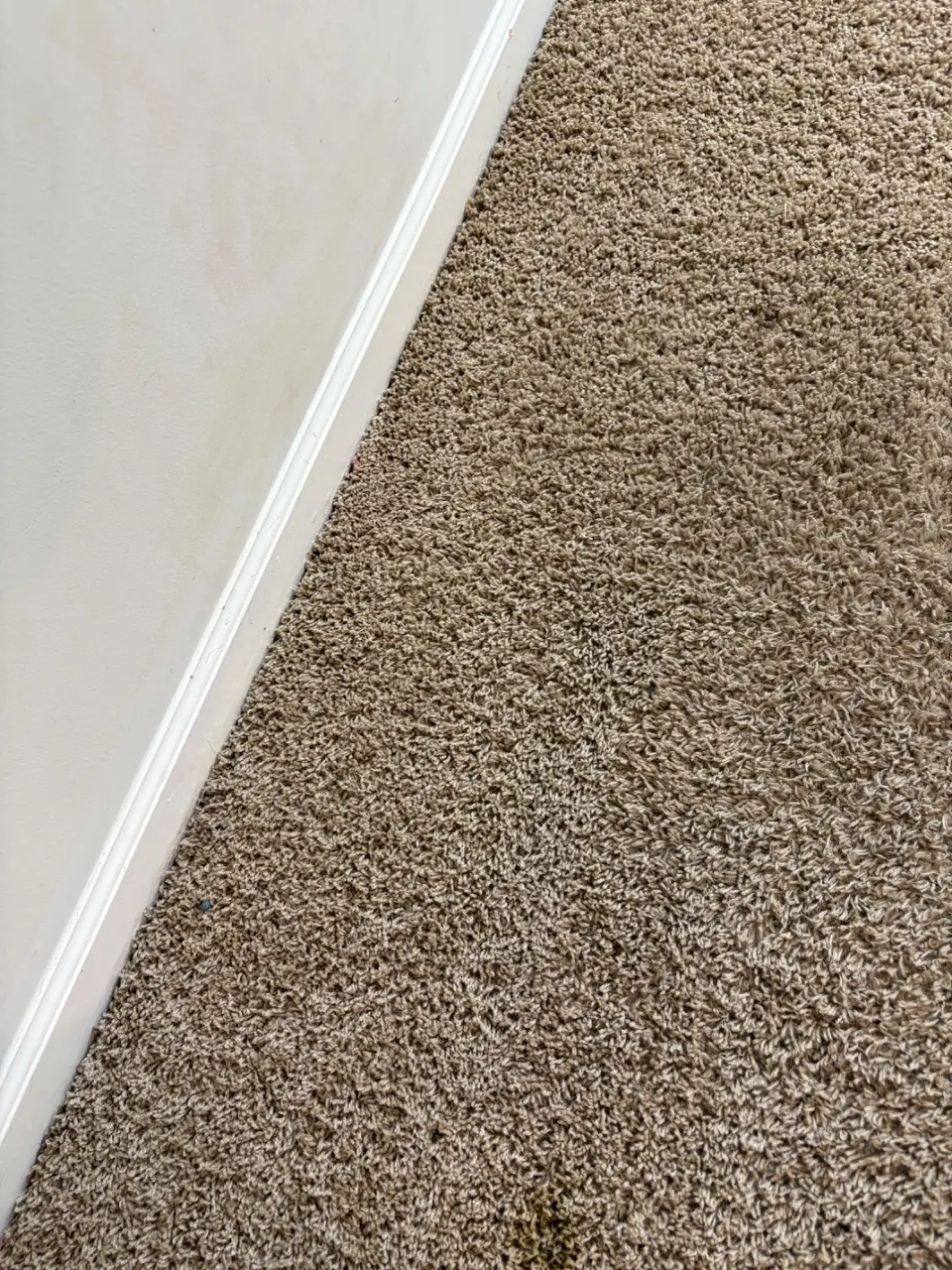
Parents often want carpet "disinfected" before a baby starts crawling. What a baby really needs is carpet free of soil, residue and allergens, and free of strong chemicals. A thorough hot water extraction with child-safe products is usually the right choice, followed by regular vacuuming with a sealed HEPA vacuum. Disinfectant sprays on a floor where a baby puts hands in mouth all day are rarely a good idea unless something specific happened. Our green carpet cleaning uses gentler products with the same thorough process.
Mold after water
Carpet and pad that stayed wet for more than a day or two after a leak or flood can grow mold, especially in humid Triad summers. Disinfecting the surface does not fix mold in the pad. The EPA's brief guide to mold and moisture explains why the moisture source has to be fixed and wet materials dried fast. Carpet soaked by sewage or floodwater usually needs to be removed. That is a water damage job, not a disinfecting job.
What steam heat can and cannot do
Heat helps. Hot water dissolves greasy soil and body oils better than cold water, and professional truck-mounted extraction rinses that soil out of the carpet instead of leaving it there. That flushing action is the main way extraction makes carpet healthier.
But heat alone at the carpet surface is not a registered disinfection method. Water cools quickly once it leaves a wand, and the time any spot of carpet is exposed to heat is short. Handheld steam vapor units can reduce some surface germs, yet they only reach the top of the pile and can damage wool and heat-sensitive fibers. Be wary of anyone who says steam cleaning "kills 99.9% of germs" in carpet without a registered product involved.
Baking soda and other myths
- Baking soda disinfects. It does not. It can absorb some mild odor, but it kills nothing, and fine powder left in the carpet can clog vacuum filters.
- Vinegar kills everything. Vinegar is a mild acid that helps rinse residue. It is not registered as a disinfectant.
- More product works better. Soaking carpet with disinfectant pushes it into the pad, slows drying and can leave residue that attracts dirt.
- Fragrance means clean. Scented powders and sprays cover odor. They do not remove its source.
- UV wands sanitize carpet. Carpet pile shades most of the fiber from the light, so reach is very limited.
If you need to freshen carpet without soaking it, read our companion piece on sanitizing carpet without water. It covers low-moisture and waterless options for routine upkeep. This page is about the situations where the carpet needs a real cleaning and a labeled disinfectant, which usually means liquid.
What a professional does
When you call ProTech after a sickness, a pet problem or water, here is how the visit usually goes.
- Inspect the carpet, find the affected areas and check whether anything reached the pad.
- Vacuum and pre-treat with a cleaning agent matched to the fiber.
- Groom the pre-treatment into the pile so it reaches the base of the fiber.
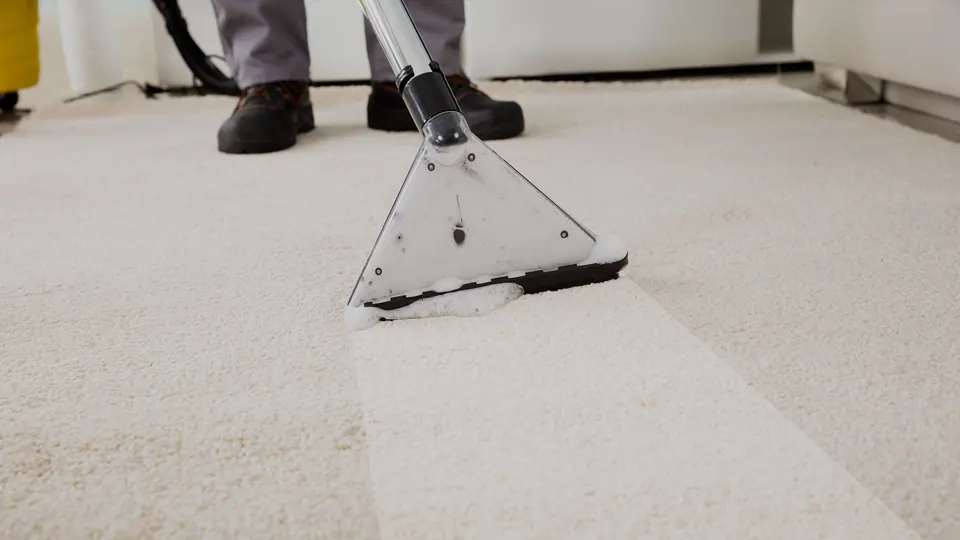
- Rinse with hot water and a mild acidic rinse, then extract with a powerful truck-mounted steam cleaning unit so soil and residue leave the house.
- Apply targeted treatments where needed, such as urine treatment or odor removal.
- Speed drying with airflow so the carpet is not damp for long.
A quick checklist for a sick-day cleanup
- Gloves on, kids and pets out of the room
- Solids removed and liquid blotted
- Area cleaned with dish soap solution and rinsed
- Disinfectant label checked for carpet and for the germ
- Tested in a hidden spot
- Kept wet for the full dwell time
- Dried fast with towels and a fan
- Towels washed hot, hands washed

“With pets in the house, I need my carpets cleaned every six months, and I’m always pleased with their work. I highly recommend them!”
— G Worsfold, Google review
If a stain is left after you disinfect, our guide to the best carpet stain remover types explains which products fit which stains, and our stain removal service handles the stubborn ones. ProTech serves Greensboro, Burlington, Winston-Salem and the rest of the Triad. Request a free estimate and tell us what happened so the right treatment comes on the truck. You can also read why Triad families choose ProTech.
Frequently asked questions
What is the difference between sanitizing and disinfecting carpet?
Sanitizing reduces the number of bacteria on a surface. Disinfecting kills a broader range of the specific germs listed on a product's label. Both require a registered product used exactly as directed, including keeping the carpet wet for the full contact time. Cleaning, which physically removes soil and residue, should always come first.
Can I use a household disinfectant spray on carpet?
Only if the label specifically lists carpet or soft surfaces. Many popular sprays are approved for hard, nonporous surfaces only and have not been shown to work on carpet. Check that the product covers the germ you are dealing with, test it in a hidden spot for color loss, and keep the area wet for the full dwell time.
Does professional steam cleaning disinfect carpet?
Hot water extraction removes soil, residue and much of what lives in them, which is the biggest step toward healthier carpet. Heat at the carpet surface alone is not a registered disinfection method, though. When a situation calls for disinfecting, a registered product is applied as directed after the carpet is cleaned.
How do I clean carpet after a stomach bug?
Wear gloves, scoop up solids and blot the liquid. Clean the area with a mild dish soap solution and rinse with cool water. Then apply a disinfectant labeled for carpet and for the germ involved, keep it wet for the label time, and dry the spot fast. Wash the towels hot and wash your hands.
Is it safe to disinfect carpet where a baby crawls?
Most crawling babies are better served by a thorough cleaning with child-safe products and regular HEPA vacuuming than by disinfectant sprays. Use a disinfectant only after a specific event like vomit, follow the label exactly, let it dry fully and rinse if the label says to before the baby is back on the floor.
Can you disinfect carpet that got wet from a flood or sewage?
Carpet and pad soaked by sewage or outside floodwater usually need to be removed, not disinfected in place, because contamination reaches the pad and subfloor. Carpet wet from a clean water leak can often be saved if it is extracted and dried quickly, ideally within a day or two, before mold can start.
Ready for carpets that look and feel new again?
Free estimates, honest recommendations and a 100% satisfaction guarantee — if you’re not happy, we come back and re-clean at no charge.